
Nakamura and the Imperial Project
The Narrow Road to the Deep NorthThis flow follows Major Nakamura from zealous railway engineer through postwar escape and moral self-fashioning to a final confrontation with his memories.
increasing Bearing strength in each event
 decreasing
Bearing strength in each eventdecreasingThe Mission’s Promise
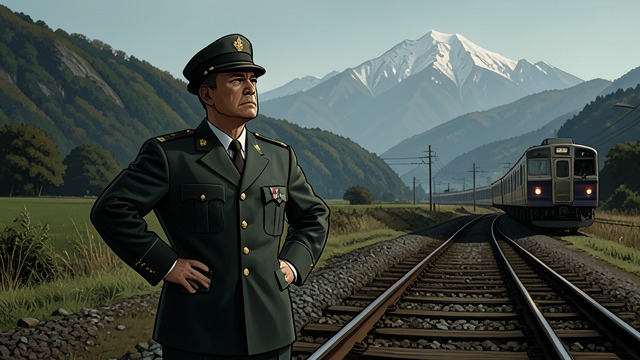
An Engineer’s Purpose
Imperial Ambition
Major Nakamura welcomes the railway as a historic mission that will prove Japanese spirit superior to European technology. He sees his work as service to the Emperor.
A World Outside the City
The jungle and the mass of prisoners unsettle his former sense of order. He responds by concentrating more fiercely on the project.
Shabu and the Schedule
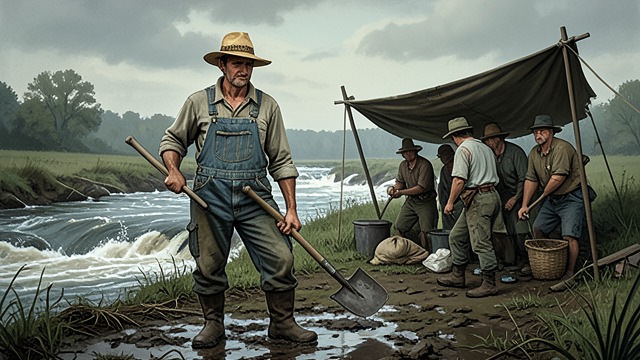
The Engineer Under Strain
A Deteriorating Situation
The river floods, roads fail, tools are inadequate, and sickness diminishes the workforce. Nakamura relies increasingly on Philopon to keep working.
Force as Management
He treats men as machines in the Emperor’s service and accepts beatings as a method of keeping production moving. The railway’s schedule becomes an excuse for cruelty.
A Debate About Freedom
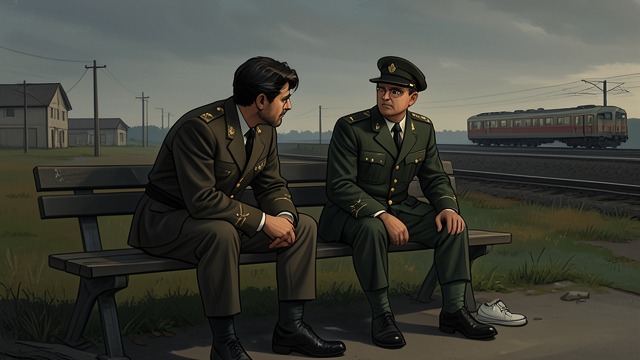
Progress Without Freedom
The Imperial Argument
Major Nakamura and Colonel Kota claim that the railway embodies progress and national spirit. They dismiss the prisoners’ suffering as part of a larger historical purpose.
A Moral Evasion
Their conversation converts coercion into destiny and makes personal responsibility seem irrelevant. The men’s shared language protects them from examining what they are doing.
A Fugitive in Ruins
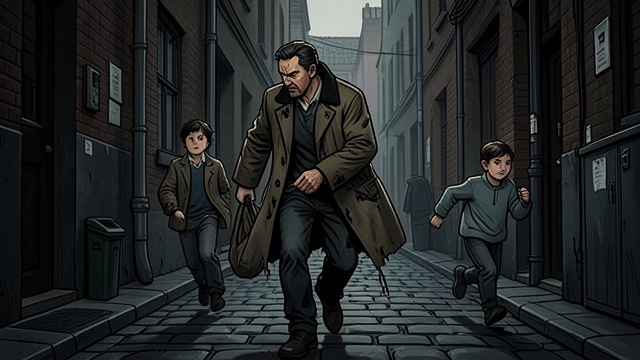
The Wanted Man
Postwar Fear
Major Nakamura finds his name among suspected war criminals and fears arrest. He scavenges for food and takes a false identity as he leaves Tokyo.
Survival at Any Cost
In the Shinjuku Rashomon, he kills a boy and steals food and money. His survival instinct repeats the moral indifference he had practiced in the camp.
The Good Man’s Story
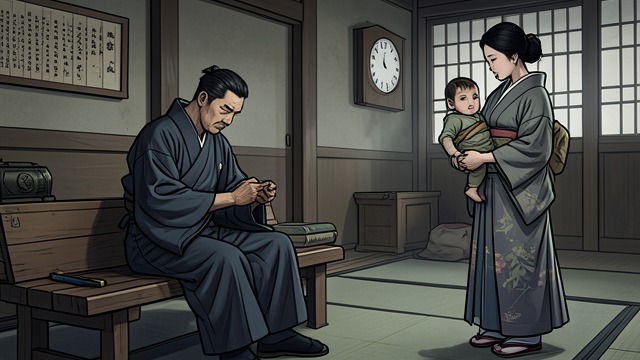
A Life Reinterpreted
Remaking the Past
Tenji Nakamura becomes a family man and understands himself as gentle, even as memory and illness uncover his wartime actions. His self-image increasingly depends on forgetting.
A Fracture in Certainty
Stories of wartime atrocities disturb the account he has built. He struggles to separate private kindness from the imperial obedience that enabled cruelty.
March 1943, as Nakamura enters the jungle railway region
During the monsoon, after Nakamura’s supplies and deadline worsen
During a night conversation with Colonel Kota in the jungle camp
Winter 1946, amid the rubble of Tokyo
During Nakamura’s final illness, years after his return to Japan
